The Lifeboat
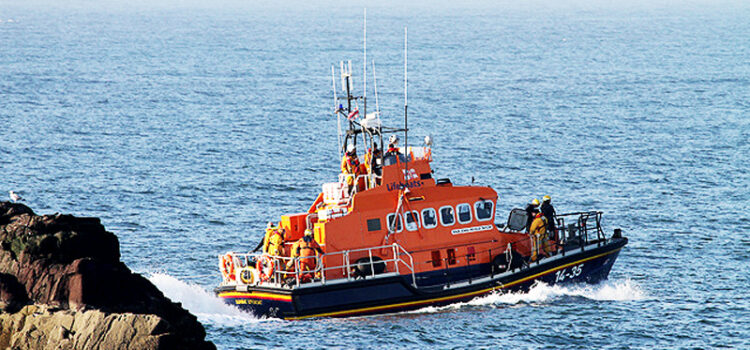
As a collection of islands set in what can be treacherous seas, it is unsurprising that Britain is where the lifeboat was […]
Read MoreAs a collection of islands set in what can be treacherous seas, it is unsurprising that Britain is where the lifeboat was […]
Read MoreThe kilt has its roots in the Scottish Highlands, where a long tunic of thick plaid (not tartan, which came later) was […]
Read MoreChristmas table settings customarily include a pretty Christmas cracker next to each plate, to be pulled apart with a SNAP! with a […]
Read MoreWhen a football commentator uses the term “a slide rule pass”, what is meant is that the ball was kicked with great […]
Read MoreBritish engineers and drivers have dominated the world land speed record over the last century. The current record of 763mph, which was […]
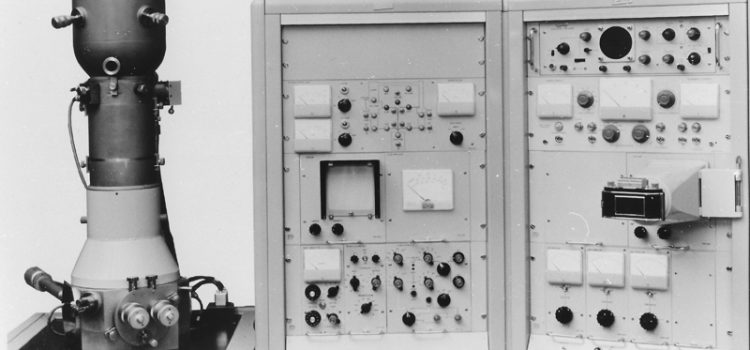
Read MoreProfessor Sir Charles William Oatley (1904-96) from Somerset worked on developing the scanning electron microscope (SEM) for two decades. During WW2 he […]
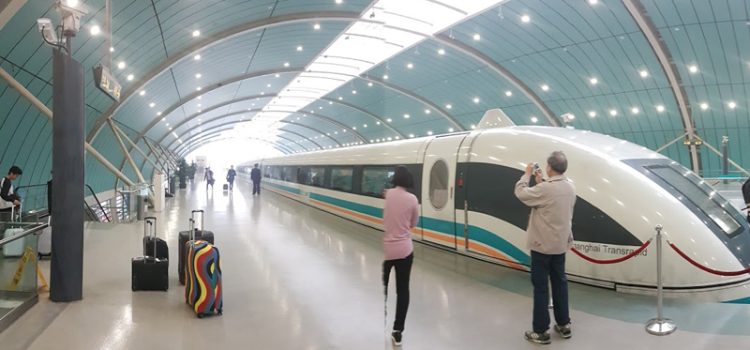
Read MoreProfessor Dr Eric Laithwaite (1921-97) from Lancashire was a naturally gifted lecturer and was attached firstly to Manchester University, then Imperial College, […]
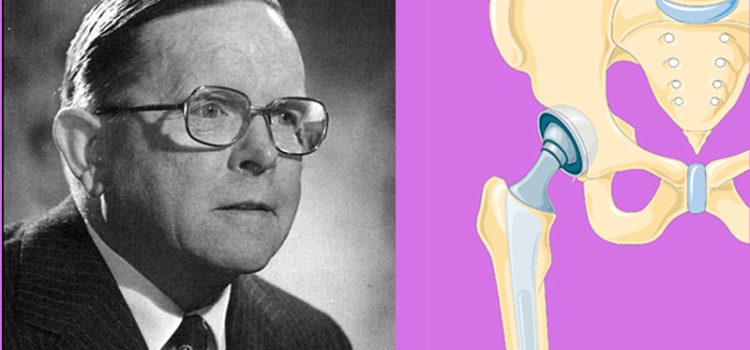
Read MoreCurrently one of the most common surgical operations, the hip replacement is the legacy of Professor Sir John Charnley (1911-82) from Lancashire, […]
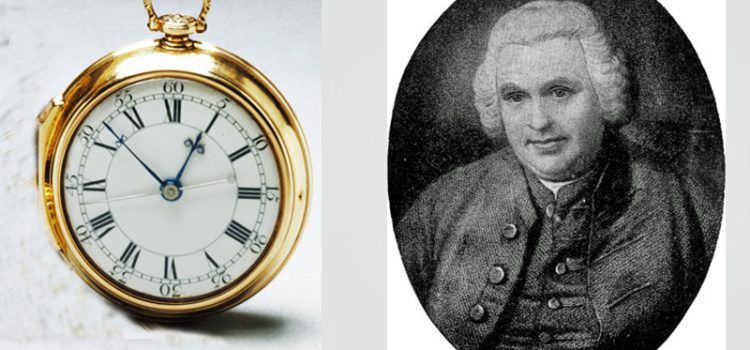
Read MoreIn 1770 King William III (1738-1820) purchased a gold watch from the country’s greatest watchmaker, Devon-born Thomas Mudge (1715-94). Mudge had placed […]
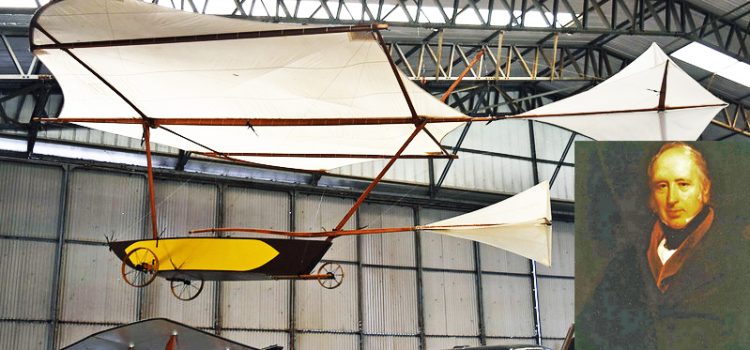
Read MoreYorkshireman Sir George Cayley (1773-1857) was a man ahead of his time. For the want of a suitable engine, he would have […]
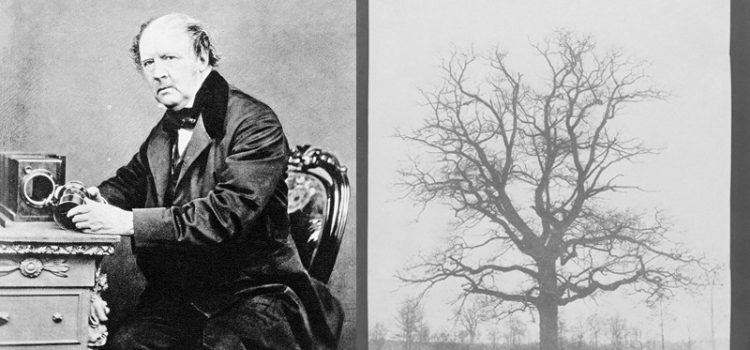
Read MoreWilliam Henry Fox Talbot (1800-77) from Dorset was a polymath but lacked one skill, namely draughtmanship, and he was even frustrated with […]
Read MoreThe pneumatic tyre was invented twice, since the second claimant was unaware of a patent registered in 1846 in France and 1847 […]
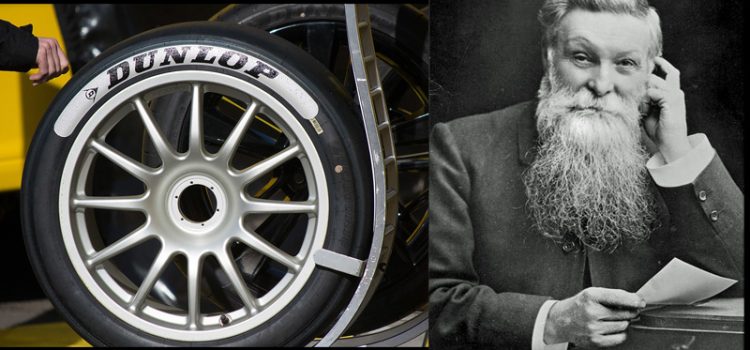
Read MoreThe pneumatic tyre was invented twice, since the second claimant was unaware of a patent registered in 1846 in France and 1847 in the USA that had lain undeveloped by the horse-drawn carriage industry for which it was intended. The two inventors were both Scotsmen ~ Robert William Thomson (1822-73) from Aberdeenshire and Dr. John Boyd Dunlop (1840-1921) from Ayrshire. Dunlop’s patent of 1889 was invalidated in 1890 but a shrewd, enthusiastic business partner overcame any difficulties and it is Dunlop’s name that became world famous.
Wheels had previously been trimmed in wood, then leather-clad wood, then solid rubber. These progressions aimed to soften the bumpy, noisy ride experienced on the new-fangled bicycle. In 1887 Dunlop, then working as a vet in Belfast, witnessed the discomfort of his young son riding a tricycle on cobbled streets, so made a rubber tube pumped full with air and held round the front wheel with sailcloth and later, for manufacturing purposes, with rubber cement.
Dunlop resigned from the ensuing Dunlop Rubber Company in 1895 and did not make much money from his idea. He was not to know that he was on the cusp of the motor car revolution which would see ‘Fort Dunlop’ built in Coventry to service a mushrooming sector.
(Top images LtoR of Dunlop racing tyre: Peter Taylor at Wikimedia Commons / CC BY 2.0 and of Dr. Dunlop: picryl.com / Public domain)
Copying is not enabled.